Introduction – How we came to Parc Teifi 
We created and successfully ran a community forest garden near Cardigan for 10 years which came to an end in 2017. During the 10 years many hundreds of children and volunteers were involved by: Working, planting, picking, learning and playing in the garden. The old land was bought by a new landlord and came to an end. We began to look around for a new site and saw the land at Parc Teifi. We made contact with the Welsh Government and they were impressed with our work and achievements over the last 30 years with communities in London and in the last 15 years in West Wales. Much of the work was achieved through a huge volunteer commitment and funded primarily through the Eco Shop and kind donations from local businesses in Cardigan. Community Asset Transfer and Getting the Keys
After writing a proposal for a community asset transfer in June 2017, and working with the solicitors to agree all the terms. We were given the keys to the new site at Parc Teifi in February in 2019. The picture shows the first small group to see the official new site ate Parc Teifi. Community Interest Company In order to receive the land we put in place a community interest company CIC. This is a community benefit company that will keep the land secure indefinitely for the benefit of the community and environment. We felt it was time to invest in a project that would have a safe and secure future. Starting the planting 
We began planting the forest garden in the winter of 2019. During the first year we out in place infrastructure like the bridge, sheds, shelter and made the site safe. This was a huge amount of work, employing many skilled people to build and develop the site which was all managed by Alpay. Funding The Eco Shop was set up in 2010 in Cardigan which successfully operates today and is kept open 11am – 3pm six days a week by a dedicated bunch of volunteers. The money the shop makes has funded all the work in the new forest garden site thus far. We also received a grant from the community fund which funded the open day, permaculture course, forest schooling planning and planting days and administration. What is a Forest garden?Forest gardens are sustainable, edible landscapes designed to work like the natural structure of forests with their tree, shrub and herb associations. These are some examples of what a forest garden can be made of: fruit and nut trees (plum, apple, pear, almond, hazel) fruit bushes (currants, worcester berries, raspberries and loganberries) herbs (rosemary, sage. lavender, mint, and borage ) Making use of companion planting, these can be intermixed to grow in a succession of layers to build a woodland habitat. Community Forest gardening is about people and their communities , learning and working with nature not against it to fulfill their diverse needs. Forest gardens can be planted in back gardens, school grounds, public space. They have the potential to contribute enormously to the social, physical, spiritual, economic and environmental well being of communities. Forest gardening is a prehistoric method of securing food in tropical areas. It was in the 1980s that Robert Hart coined the term “forest gardening” after adapting the principles and applying them to temperate climates. | 









 An essential task at this time of year
 Stories as the season turns - 5.15 to 7.30pm
 Pruning Workshop on Tuesday 6 October
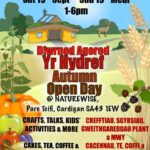 Brief details of the day
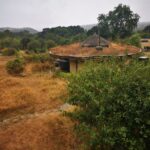 Here we are in August and it’s been months since our last regular newsletter. Our apologies. This has been due to a shortage of time rather than a shortage of news. So today there’s quite a bit to make up for that. Dyma ni ym mis Awst ac mae misoedd wedi mynd heibio ers ein cylchlythyr rheolaidd diwethaf. Ymddiheuriadau. Mae hyn oherwydd prinder amser yn hytrach na phrinder newyddion. Felly heddiw mae cryn dipyn i wneud lan am hynny.Note: This post contains many photos – see the full size versions in the Gallery on this Link: Photos – Naturewise Nodyn:...